


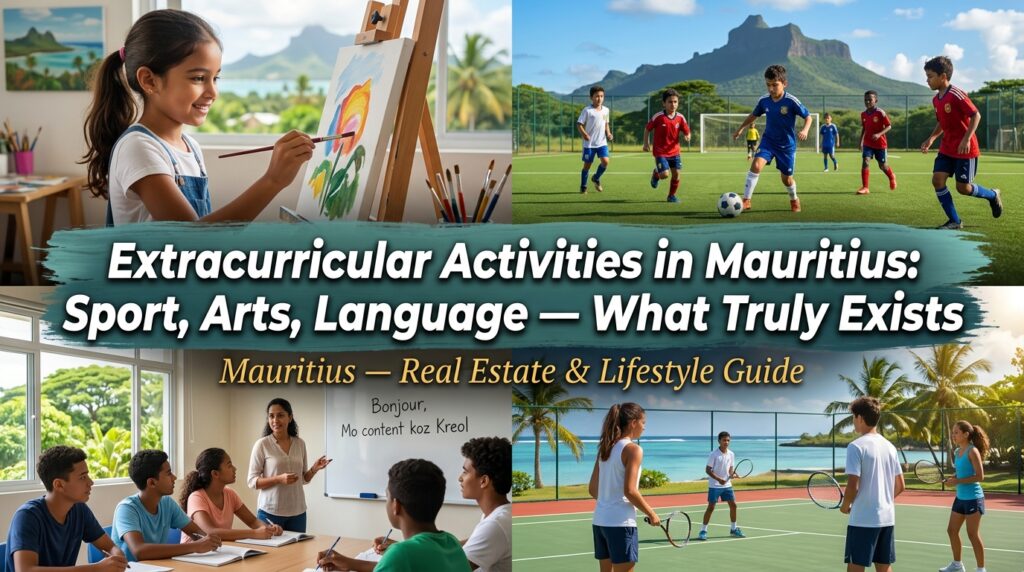
Extracurricular Activities in Mauritius: Sports, Arts, Languages
In Mauritius, expatriate families find a varied range of extracurricular activities for children: sports, arts, languages, and clubs, with differences depending on the regions. This guide details what is truly accessible according to age and area.
In Mauritius, expatriate families and investors discover a varied range of extracurricular activities for children and teenagers, with notable differences depending on the regions. This guide provides detailed information on the possibilities according to age, geographical area, and the nature of the activities, to help each family organise their children’s life outside school.
What extracurricular activities are available for children in Mauritius?
Children and teenagers in Mauritius can access a range of sports, artistic, and language activities, offered by private clubs, associations, specialised schools, or cultural centres. The offerings vary by area, with a higher density in the North (Grand Baie, Pereybère), the West (Tamarin, Flic en Flac), and the Centre (Moka, Quatre Bornes). Expatriate families find solutions adapted to different profiles and ages, from early childhood to adolescence.
Sports: which disciplines and areas to prioritise?
Team sports (football, basketball, rugby) are present in most major cities, often through private or school clubs. The North and West offer a dense range, with modern facilities, particularly for swimming, tennis, golf, and water sports (sailing, surfing, kitesurfing). In the Centre, indoor sports (martial arts, dance, gymnastics) are common, often linked to international schools.
- Easily accessible: Football, swimming, tennis, dance, martial arts, golf (North, West, urban Centre)
- More specialised: Sailing, horse riding, kitesurfing, rugby (mainly North and West coasts, dedicated clubs)
- Frequency: Training sessions usually take place once or twice a week, with camps during school holidays.
For families living in the South or East, access to certain disciplines may require travel to more urbanised areas.
Arts and creative activities: what options for children?
Art workshops (music, theatre, visual arts, dance) are well represented in areas with a high expatriate population. Grand Baie and Moka host several music schools and art studios. Associations also offer theatre or circus classes, often in French or English, suitable for non-French-speaking children.
- Music: Individual or group lessons (piano, guitar, drums, singing), mainly in the North and Centre.
- Visual arts: Painting, sculpture, drawing workshops, sometimes integrated into international schools’ extracurricular programmes.
- Dance and theatre: Private studios, associations, occasional workshops during holidays.
The artistic offering is more limited in rural areas, but some mobile workshops occasionally travel.
Foreign languages: what possibilities for expatriate children?
In Mauritius, linguistic diversity allows children to learn or improve several languages. International schools often offer clubs or workshops in English, French, and even other languages (German, Spanish, Mandarin). Private institutes, mainly in Moka, Grand Baie, and Tamarin, organise weekly classes for children, tailored to their level and age.
- Conversation clubs: Fun workshops to improve English or French, open from nursery age.
- Certification preparation: Some centres prepare for Cambridge or DELF exams, useful for families in international mobility.
For less common languages, the offering depends on the presence of specific cultural associations.
Clubs and associations: how to integrate and what are the procedures?
Sports clubs, artistic associations, and cultural centres are accessible to expatriate families, requiring an annual or quarterly registration. The procedures are generally simple: registration form, medical certificate for sports, sometimes a preliminary interview for artistic activities. International schools also offer integrated extracurricular activities, facilitating logistics for families.
- Most dynamic areas: Grand Baie, Tamarin, Moka, Quatre Bornes
- Expat networks: Numerous groups facilitate integration and information exchange on extracurricular activities.
Places may be limited in some highly demanded disciplines (swimming, tennis, music). It is advisable to inquire and book in advance, especially at the start of the school year.
What limits or precautions for expatriate families?
The extracurricular offering in Mauritius is generally rich in urban and tourist areas but may be more limited in rural or isolated regions. Some specific activities (horse riding, sailing, high-level team sports) require travel or more extensive organisation. Prices vary according to disciplines and location, with generally higher prices in private or international clubs.
- Common mistake: Assuming that all activities are available everywhere on the island.
- Practical advice: Contact schools and associations before arrival to reserve places.
- Nuance: Non-French-speaking or non-English-speaking children can benefit from specific linguistic support in certain structures.
Extracurricular activities and settling in Mauritius: what to remember
Mauritius offers a range of extracurricular activities suitable for expatriate families, with a more marked density and diversity in the North, West, and Centre. Children can thrive in sports, arts, and languages, provided that procedures are anticipated and the best-equipped areas are targeted. To best organise your settlement and your children’s schooling, also consult our guide on settling in Mauritius.
Further reading
Go further on the subject
Other articles to take your thinking further.
Family with Children in Mauritius: Area, School, Life Guide
Living in Mauritius with kids? Central plateau, north, west or east compared on schools, emergency care, metro, rainfall and rents as of 17 Septemb…
Sports and Leisure Activities in Mauritius: Golf, Diving, Hiking and More
Explore leisure in Mauritius: golf, diving, hiking, water sports, and clubs for investors, expatriates, and foreign buyers.
Education in Mauritius: International Schools, Programmes and Family Advice
International, French or state school in Mauritius: 2026-2027 fees from each school’s official schedule, term dates, enrolment steps and entrance t…
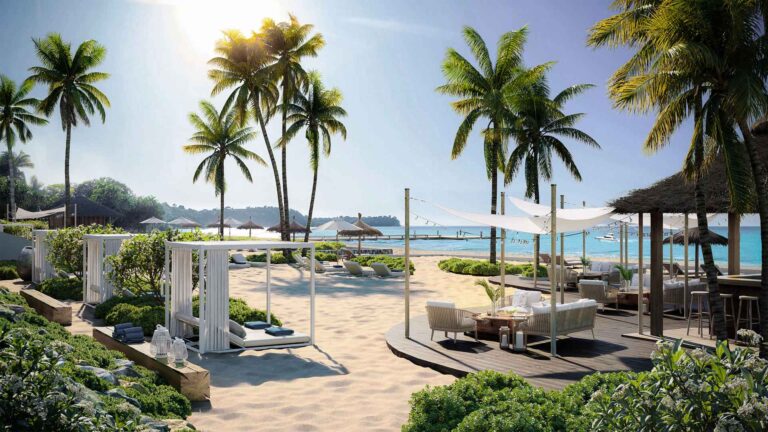
All new property developments in Mauritius
Discover new developments in Mauritius and explore opportunities tailored to your real estate project.
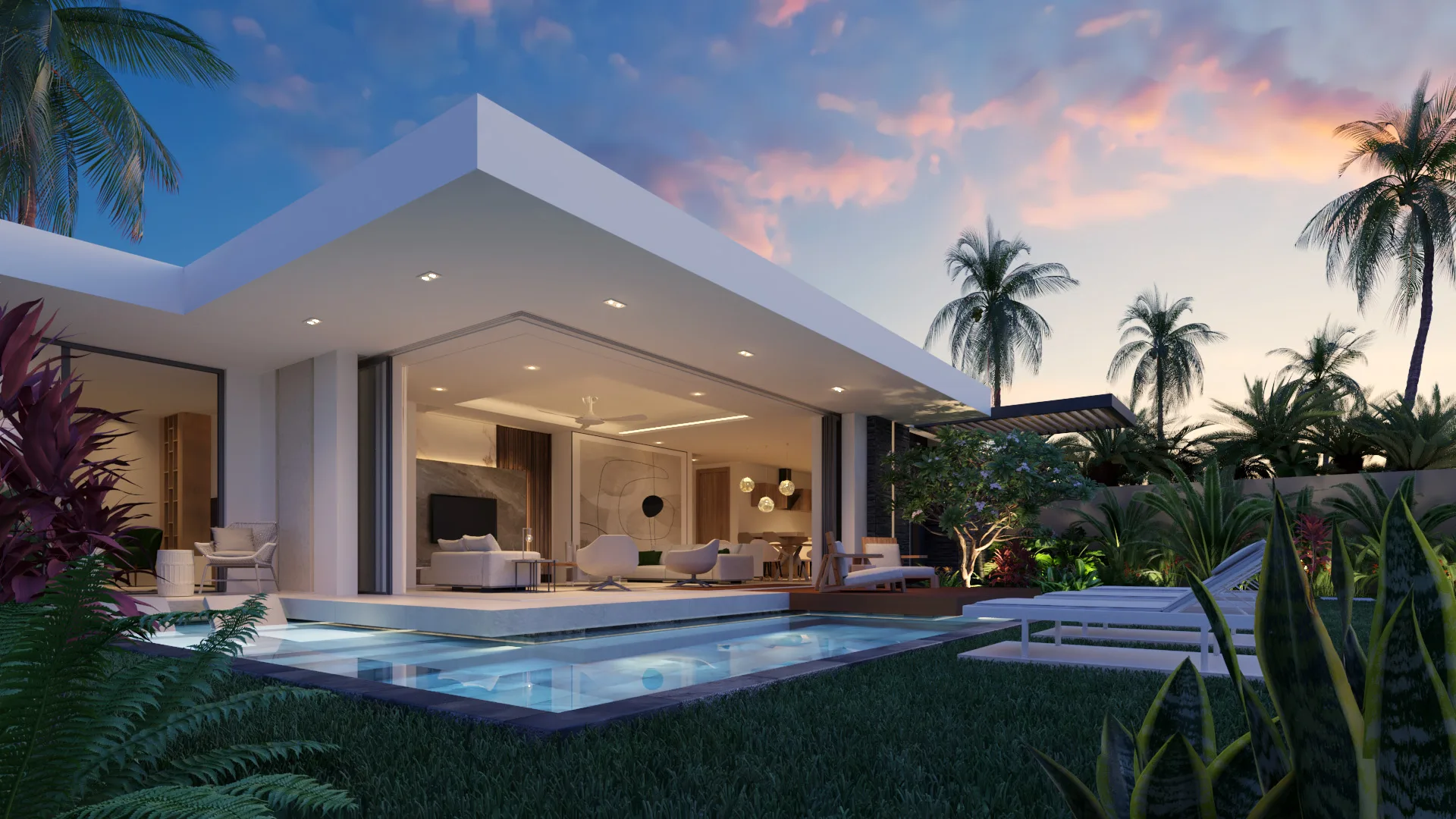
Grand Baie Real Estate: Buy or Rent
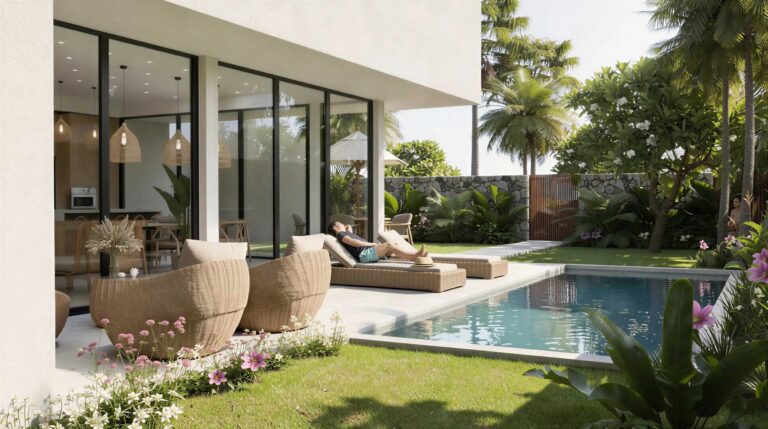
Tree Valley — new villas in Black River
Tree Valley Residences in Rivière Noire, on the west coast of Mauritius: 24 contemporary 3-bedroom villas with private pools.
Planning a property project?
Let’s talk about your project in Mauritius
Westimmo guides you through the analysis, selection and securing of your property project in Mauritius.