



Buy-to-Let Investment in Mauritius: A Complete Guide for Foreigners
Buy-to-let investment in Mauritius allows foreigners to acquire property in approved schemes, target an international clientele, and benefit from attractive taxation, provided local regulations are respected.
Buy-to-let investment in Mauritius attracts many foreigners looking to diversify their assets while enjoying an attractive tax environment. This comprehensive guide answers key questions about buy-to-let investment in Mauritius, rental yields, and the procedures for annual letting as a foreign investor.
What are the conditions for foreigners to invest in buy-to-let property in Mauritius?
Foreigners can access buy-to-let investment in Mauritius through specific schemes, primarily government-approved property programmes: Property Development Scheme (PDS), Integrated Resort Scheme (IRS), Real Estate Scheme (RES), and Smart City Scheme. These programmes allow the acquisition of residential properties in designated areas, with the option to rent the property annually or seasonally.
Purchasing a property under these schemes may entitle you to a residence permit under certain conditions, particularly depending on the investment amount. It is advisable to consult a professional or specialised lawyer to verify eligibility based on your profile and the targeted programme.
What rental yield can you expect from a buy-to-let investment in Mauritius?
Rental yield in Mauritius depends on several factors: location, type of property, quality of amenities, and tenant profile. The most sought-after areas include Grand Baie, Tamarin, Flic en Flac, Rivière Noire, and the Moka region. Apartments and villas located by the sea or in secure residences generally have strong rental demand.
Rents vary according to location and property standard. For instance, a modern apartment in Grand Baie or a villa in Tamarin can attract expatriates, executives on assignment, or international families. Conducting a local market study is recommended to estimate potential rent and anticipate occupancy rates.
What tenant profiles do foreign investors target in Mauritius?
Buy-to-let investment in Mauritius primarily targets three tenant profiles:
- Expatriates and executives on long-term assignments, often employed by multinationals or international institutions based on the island.
- Foreign families relocating to Mauritius for work or international schooling (École du Nord, École du Centre, Lycée Labourdonnais, IPS).
- Tourists, for properties offered for seasonal or short-term rental, especially in coastal areas.
Neighbourhoods favoured by these tenants include Grand Baie, Pointe aux Canonniers, Péreybère, Tamarin, Rivière Noire, Moka, and Ebène. Residences offering services (security, pool, gym) are particularly sought after.
How is rental income taxed for foreigners in Mauritius?
The taxation of rental income in Mauritius is considered attractive by many investors. Income generated from renting a property is generally taxable in Mauritius. The applicable tax rate depends on current legislation and each investor’s tax situation. It is recommended to consult the official texts of the Mauritius Revenue Authority for precise details.
Tax treaties signed between Mauritius and other countries may help avoid double taxation. It is advisable to seek advice from a tax expert to analyse your personal situation, especially if you are a tax resident in another country (France, Belgium, Switzerland, Luxembourg, etc.).
What fees and charges should be anticipated for a buy-to-let investment in Mauritius?
In addition to the purchase price of the property, the investor should anticipate:
- Notary and registration fees
- Condominium charges (management, maintenance, security, pool, garden)
- Property management fees if you delegate letting to an agency
- Routine maintenance and any necessary repairs
- Local taxes applicable to rental income
It is important to include these elements in the calculation of rental yield to obtain a realistic view of net returns.
Can you rent annually in Mauritius and what are the procedures?
Annual letting in Mauritius is possible for foreign investors, provided the property is located in an approved property programme. The rental contract must comply with local legislation and be properly drafted. It is recommended to engage a reputable real estate agency for property management, particularly for tenant selection, lease drafting, and administrative follow-up.
Long-term rentals are particularly sought after in areas near international schools, business centres (Ebène, Moka), and coastal zones. Demand is strong among expatriates and international families.
What are the key steps to successfully invest in buy-to-let property in Mauritius?
- Define your budget and objective (yield, secondary residence, asset diversification)
- Choose the right location: Grand Baie, Tamarin, Moka, Flic en Flac, Rivière Noire
- Select a property programme eligible for foreigners (PDS, IRS, RES, Smart City)
- Analyse potential rental yield and associated charges
- Verify legal and tax aspects with a professional
- Entrust property management to a specialised agency to optimise occupancy and yield
For more information on property selection and acquisition procedures, visit our dedicated page: Buy and Invest in Mauritius.
What are the risks and points of caution for buy-to-let investment in Mauritius?
Like any property investment, buy-to-let investment in Mauritius carries risks: rental vacancy, market changes, demand fluctuations, property maintenance, tax changes. It is recommended to diversify your portfolio, prioritise locations with high rental demand, and seek guidance from local professionals.
Regulations may change, and it is important to stay informed about any legislative or tax changes. Finally, managing from a distance requires rigorous organisation or the use of a trusted agency.
What services and tools facilitate property management in Mauritius?
Many real estate agencies offer turnkey property management services in Mauritius. They handle tenant search, lease drafting, rent collection, and administrative follow-up. Some online platforms also allow you to monitor your property’s management remotely.
To optimise rental yield, it is advisable to invest in attractive properties (secure residences, modern amenities, proximity to amenities) and offer additional services (cleaning, maintenance, concierge).
Where to invest to maximise rental yield in Mauritius?
The most dynamic areas for buy-to-let investment in Mauritius are:
- Grand Baie and its surroundings: nightlife, beaches, restaurants like Beach House or La Rougaille Creole
- Tamarin and Rivière Noire: surfing, nature, establishments like The Bay or Veranda Tamarin
- Moka: proximity to international schools, shopping centres (Bagatelle Mall), restaurants (Le Courtyard, La Table du Château)
- Flic en Flac: popular seaside resort, restaurants such as Zub Express or Ah Youn
The choice of neighbourhood will depend on your strategy (long-term rental, seasonal, targeted clientele) and available budget.
Conclusion
Buy-to-let investment in Mauritius offers real opportunities for foreigners, provided local regulations are respected and fiscal, legal, and management aspects are well anticipated. Professional support is recommended to secure your project and maximise rental yield. For more information or to be guided in your approach, contact a specialised real estate agency in Mauritius.
Further reading
Go further on the subject
Other articles to take your thinking further.
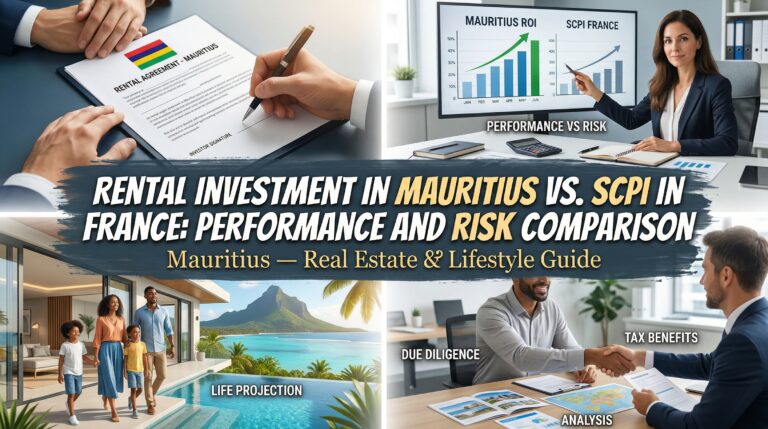
Buy-to-Let in Mauritius or French SCPI: A Comparison
Compare buy-to-let in Mauritius vs French SCPI: yield, risk, taxation, liquidity, entry ticket. Decide based on your investor profile.

Investing in Mauritius Real Estate: 2025 Trends and Tips
Invest in Mauritius real estate: 2025 trends, attractive areas, practical tips for successful investment in Mauritius.
Taxation in Mauritius 2026: A Guide for Foreign Investors

All new property developments in Mauritius
Discover new developments in Mauritius and explore opportunities tailored to your real estate project.
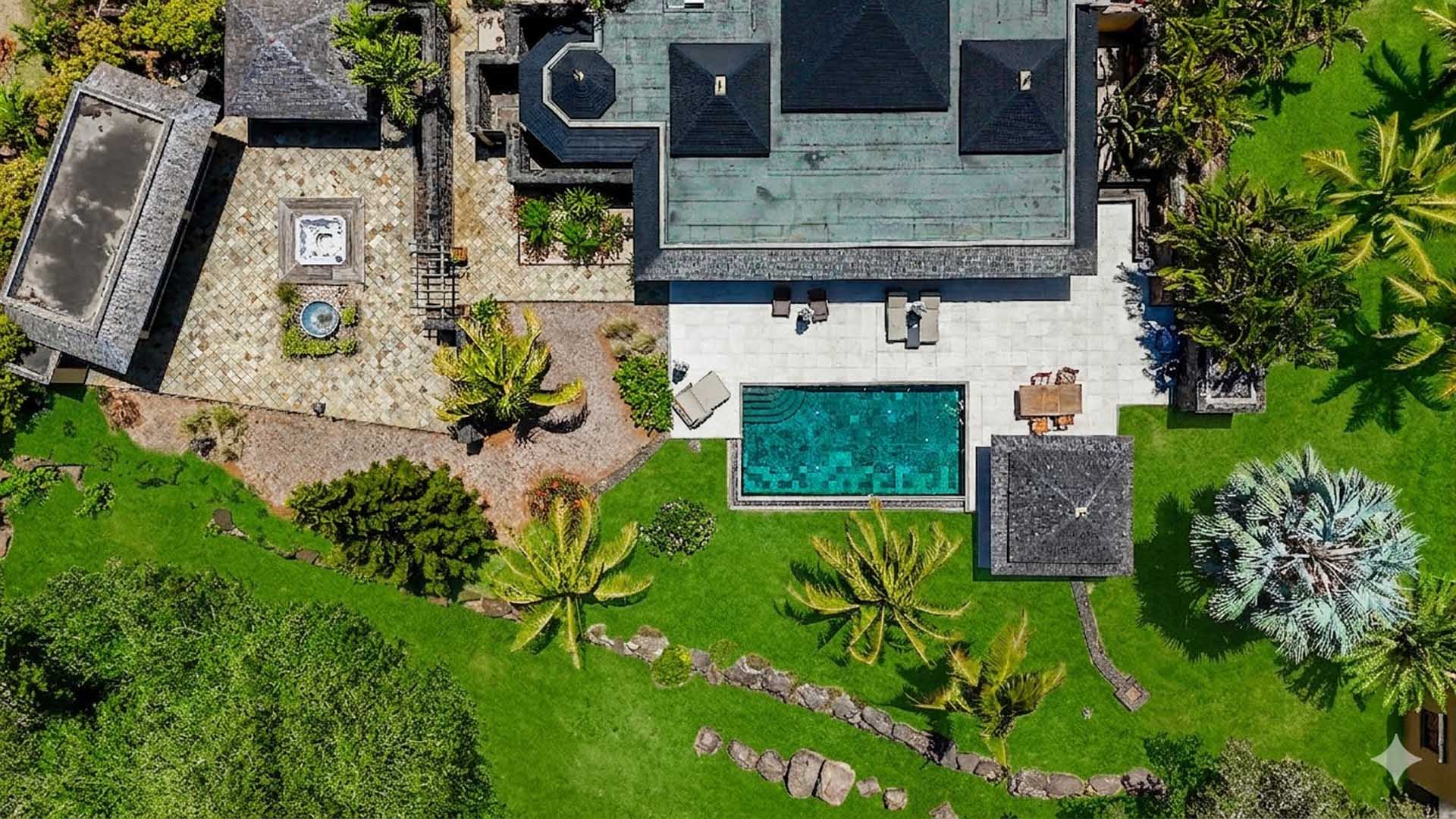
Tamarin Real Estate: Buy or Rent
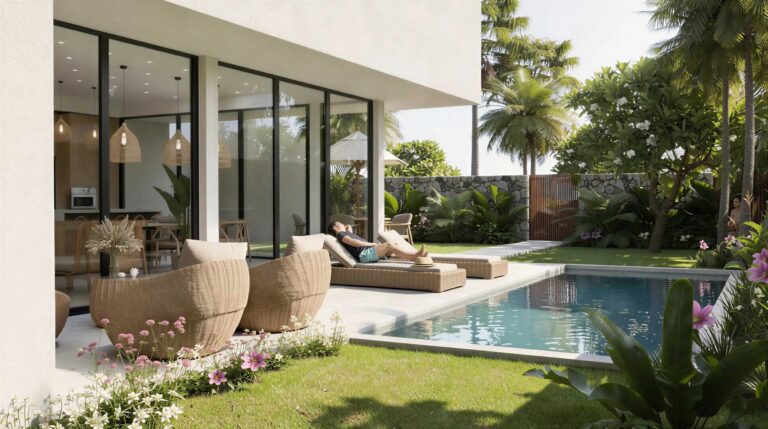
Tree Valley — new villas in Black River
Tree Valley Residences in Rivière Noire, on the west coast of Mauritius: 24 contemporary 3-bedroom villas with private pools.
Planning a property project?
Let’s talk about your project in Mauritius
Westimmo guides you through the analysis, selection and securing of your property project in Mauritius.